George O Hanlon and the Making of a Familiar American Entertainer
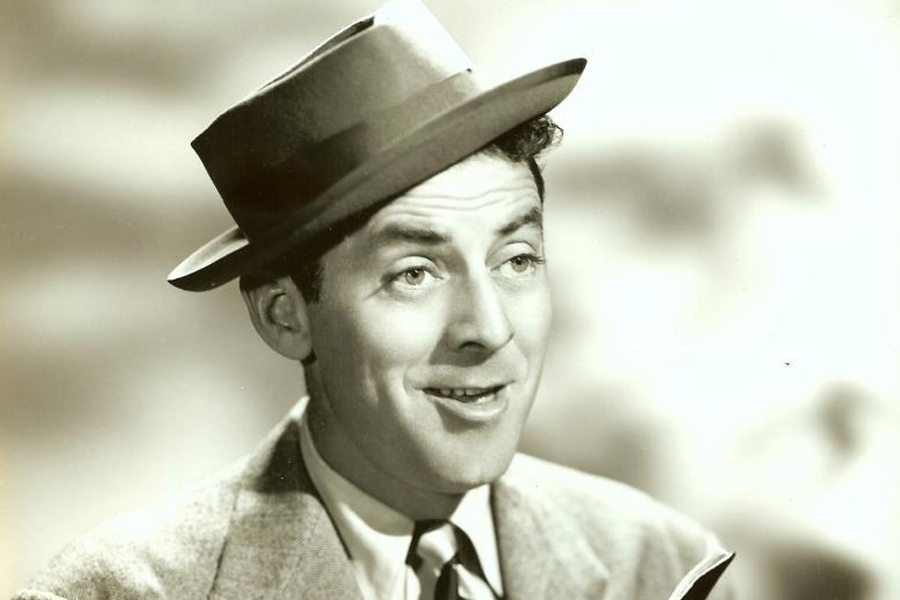
George O Hanlon is one of those rare performers that fit American popular culture. He could enter a scene, make a joke, convey exasperation with a look, and then transition into the bright future of animation with his voice. That range provided him exceptional endurance. He worked in live-action shorts, television, film, writing, and voice from the early 1930s to 1989.
Brooklyn-born George Samuel O’Hanlon was born on November 23, 1912. Applause, backstage discussion, and touring routines greeted him. His parents were vaudeville performers, so performing was a family goal. The family trade was passed down like a craft.
He was recognized for his warmth, humorous timing, well used physical awkwardness, and voice that could make ordinary phrases unforgettable. An everyman, yet not bland. His performances made frustration amusing and uncertainty gorgeous.
A Childhood Shaped by Vaudeville Bloodlines
George O. Hanlon was not a stranger. Vaudeville and burlesque were his origins. Sam Rice, born George Samuel O’Hanlon in 1874, was known as “The King of Burlesque.” That moniker alone conjures up a louder, rowdier era of American entertainment, with touring circuits, live crowds, and artists who had to attract attention in real time. Sam Rice brought his theater instincts to tiny cinema parts.
His mother, Lulu Beeson, born Lulu Alice O’Hanlon in 1882, danced and acted in vaudeville with her husband. I think that element really telling. Not only was George reared near performers. He was reared in a theater. Time, mobility, presentation, and survival in a competitive industry defined his parents’ partnership.
That background matters. It helps explain why George later seemed so naturally tuned to comic rhythm. Vaudeville was a forge. It taught economy, pace, and adaptability. Those qualities remained visible in his work for decades.
Early Career and the Road Into Film
By the 1930s, George O Hanlon had entered films, beginning with bit parts. This was a common starting point for actors who had ability but were still fighting for visibility. Small roles can be like stepping stones across a fast river. One wrong move and a career disappears. O Hanlon kept moving.
He improved his presence with cinematic work in the 1930s. Though not a star right first, he was a reliable face and performer. The slow growth frequently develops lasting actors. They study productions from within. The learn patience. They also learn to impress rapidly.
His humor suited the time. Hollywood required talented supporting actors to portray American fears as well as polished leading males. That was O Hanlon’s forte. He may portray a put-upon man, bewildered spouse, critic, office worker, or anybody in ludicrous circumstances.
The Joe McDoakes Years and Career Breakthrough
Career defining live-action began in 1942 with Warner Bros.’ Joe McDoakes short picture series. The series continued until 1956 with over 60 entries. Many titles began with “So You Want to…”, adding to their appeal. The films generally featured common situations, misguided directions, or regular objectives turned comical.
As Joe McDoakes, George O Hanlon found a role that fit him like a tailored suit. He was not playing a superhero, a noble adventurer, or a sweeping romantic figure. He was playing a man audiences recognized. A little hopeful, a little overwhelmed, and always vulnerable to life’s small ambushes.
That may have kept the series in memory. O Hanlon filmed everyday frustration. His physical comedy was lively, but his reactions sold it. He was often more of a modern life pressure gauge than a clown. Each inconvenience seemed to register on his face.
He also often co-wrote the shorts, which deepens the picture of his talent. He was not merely performing comic situations. He was helping shape them. That combination of actor and writer gave his work added texture. He understood not only how to play a scene but also how to build one.
George Jetson and the Voice That Traveled Into the Future
Joe McDoakes made him famous, but The Jetsons immortalized him. between the original animated series, George O Hanlon voiced George Jetson between 1962 and 1963. That performance exposed him to generations who knew his sound but not his face.
That job fits. O Hanlon always personified the charming, stressed everyman. George Jetson was that kind, simply moved into a shiny cartoon future of flying automobiles and mechanical comfort. The world altered. Human anxiousness did not. O Hanlon knew that tension’s humorous music.
He returned to the role for the revival from 1985 to 1987, proving the character still belonged to him decades later. Few performers get to bridge eras so cleanly. His voice became the thread that stitched together two versions of the same cultural dream.
His affinity to the role continued until his death. While filming Jetsons: The Movie in Los Angeles, he died on February 11, 1989. The picture was dedicated to him following his death. This detail matters emotionally. He continued to work and animate a television icon.
Film, Television, Writing, and Longevity
George O Hanlon’s career was not restricted to one series or one media. He played comic supporting parts in several films and TV series, enriching the protagonists’ worlds. He appears in I Love Lucy, The Dick Van Dyke Show, and Rocky (1976) as a TV pundit.
This career might be undervalued since it is dispersed throughout numerous appearances rather than one spectacular personality. I suppose longevity speaks for itself. Working steadily from 1932 to 1989 requires surviving studio culture, audience taste, technology, and format changes. No more silent-era customs. Television grew. Animation grew. Feature films altered tone. O Hanlon worked through it.
He also worked as a writer and director, which reinforces the impression of a craftsman rather than just a performer-for-hire. He understood entertainment from multiple angles. Like someone who knows both how to sail a ship and repair it, he could contribute beyond what the audience directly saw.
His Family Life and Three Marriages
George O Hanlon’s personal life included three marriages, each marking a distinct chapter.
His first wife was Inez Witt. They married in 1932, at a time when his screen career was still young, and divorced in 1948. That 16-year span overlapped with the period when he was becoming established in Hollywood.
His second marriage was to actress Martha Stewart, from 1949 to 1952. This was the actress Martha Stewart, not the later lifestyle personality with the same name. The marriage was brief, lasting about 3 years.
He married Nancy Owens, subsequently Nancy O’Hanlon, ca. 1953. She was an actress before her third marriage, which lasted. They lived together until his 1989 death. Despite industry upheaval, that extended cooperation shines out. Nancy supported his career, which undoubtedly important in his senior years.
Nancy O Hanlon and the Children
With Nancy, George O Hanlon had two children: George O’Hanlon Jr. and Laurie O’Hanlon.
George O’Hanlon Jr., a child of the actor, continued the family tradition of performing. That decision is nearly circular, but good. George Sr. received a show-business milieu from his parents, and his son followed suit. George Jr. emphasized the family’s acting tradition, indicating it was not a casual vocation. The family identified with it.
Registered nurse Laurie O’Hanlon chose a different route. Contrast is intriguing and human. One youngster performed, while the other worked in care and stability. The image is richer because families seldom travel straight.
The family was connected to the entertainment business for decades, but not only for fame. Work, adaptation, and continuity were also involved. George O. Hanlon left a wife, children, and a grandchild, thus his legacy extended beyond the screen. It survived at home.
A Quick Family Snapshot
| Family Member | Relationship to George O Hanlon | Notable Detail |
|---|---|---|
| Sam Rice | Father | Vaudeville performer and actor known as “The King of Burlesque” |
| Lulu Beeson | Mother | Dancer and actress in vaudeville |
| Inez Witt | First wife | Married 1932 to 1948 |
| Martha Stewart | Second wife | Actress, married 1949 to 1952 |
| Nancy O’Hanlon | Third wife | Married around 1953, remained with him until 1989 |
| George O’Hanlon Jr. | Son | Actor |
| Laurie O’Hanlon | Daughter | Registered nurse |
Why George O Hanlon Still Matters
I think George O Hanlon is notable because he’s a performer audiences always need. He was friendly, amusing, and familiar without being boring. His brilliance was in the middle of American entertainment, where devotion typically grows.
His career connected several eras at once. He came out of a family shaped by vaudeville. He thrived in Hollywood shorts during the 1940s and 1950s. He helped define a major animated father figure in the 1960s and again in the 1980s. That is not just longevity. That is cultural flexibility.
To me, he seems like a bridge made of timing, voice, and resilience. One foot stood in old stage tradition, the other in animated futurism. Very few performers crossed that distance so gracefully.
FAQ
Who was George O Hanlon?
Born in Brooklyn on November 23, 1912, George O. Hanlon was an actor, comedian, writer, and voice artist. He is most known for acting in Joe McDoakes short films from 1942 to 1956 and voicing George Jetson in The Jetsons from 1962 to 1963 and again in the 1980s reboot.
What was George O Hanlon’s full name?
His full name was George Samuel O’Hanlon.
Who were George O Hanlon’s parents?
His parents were Sam Rice and Lulu Beeson. Both were vaudeville performers, and their work in live entertainment shaped the environment in which he grew up.
Who was Sam Rice?
Sam Rice, born George Samuel O’Hanlon in 1874, was George O Hanlon’s father. He was a vaudeville performer and actor known as “The King of Burlesque” and later appeared in small film roles.
Who was Lulu Beeson?
Lulu Beeson, born Lulu Alice O’Hanlon in 1882, was George O Hanlon’s mother. She was a dancer and actress who performed in vaudeville with her husband.
How many times was George O Hanlon married?
He was married three times. His spouses were Inez Witt, Martha Stewart, and Nancy O’Hanlon.
Who was George O Hanlon’s first wife?
His first wife was Inez Witt. They married in 1932 and divorced in 1948.
Was George O Hanlon married to Martha Stewart?
Yes. He was married to actress Martha Stewart from 1949 to 1952.
Who was Nancy O Hanlon?
Nancy O’Hanlon, née Owens, was George O Hanlon’s third wife. She had also been an actress before marriage, and she remained his wife from around 1953 until his death in 1989.
Did George O Hanlon have children?
Yes. With Nancy, he had two children: George O’Hanlon Jr. and Laurie O’Hanlon.
Who is George O Hanlon Jr.?
George O’Hanlon Jr. is the son of George O Hanlon. He became an actor and continued the family’s connection to the entertainment industry.
Who is Laurie O Hanlon?
Laurie O’Hanlon is George O Hanlon’s daughter. She became a registered nurse and kept a lower public profile than her brother.
What is George O Hanlon best known for?
He is best known for two signature roles: Joe McDoakes in Warner Bros. comedy shorts and George Jetson in The Jetsons.
Did George O Hanlon help write the Joe McDoakes films?
Yes. He often co-wrote entries in the Joe McDoakes series, showing that he contributed creatively both in front of and behind the camera.
When did George O Hanlon die?
He died on February 11, 1989, in Los Angeles.
Was he still working when he died?
Yes. He died while recording for Jetsons: The Movie, which was later released posthumously and dedicated to him.